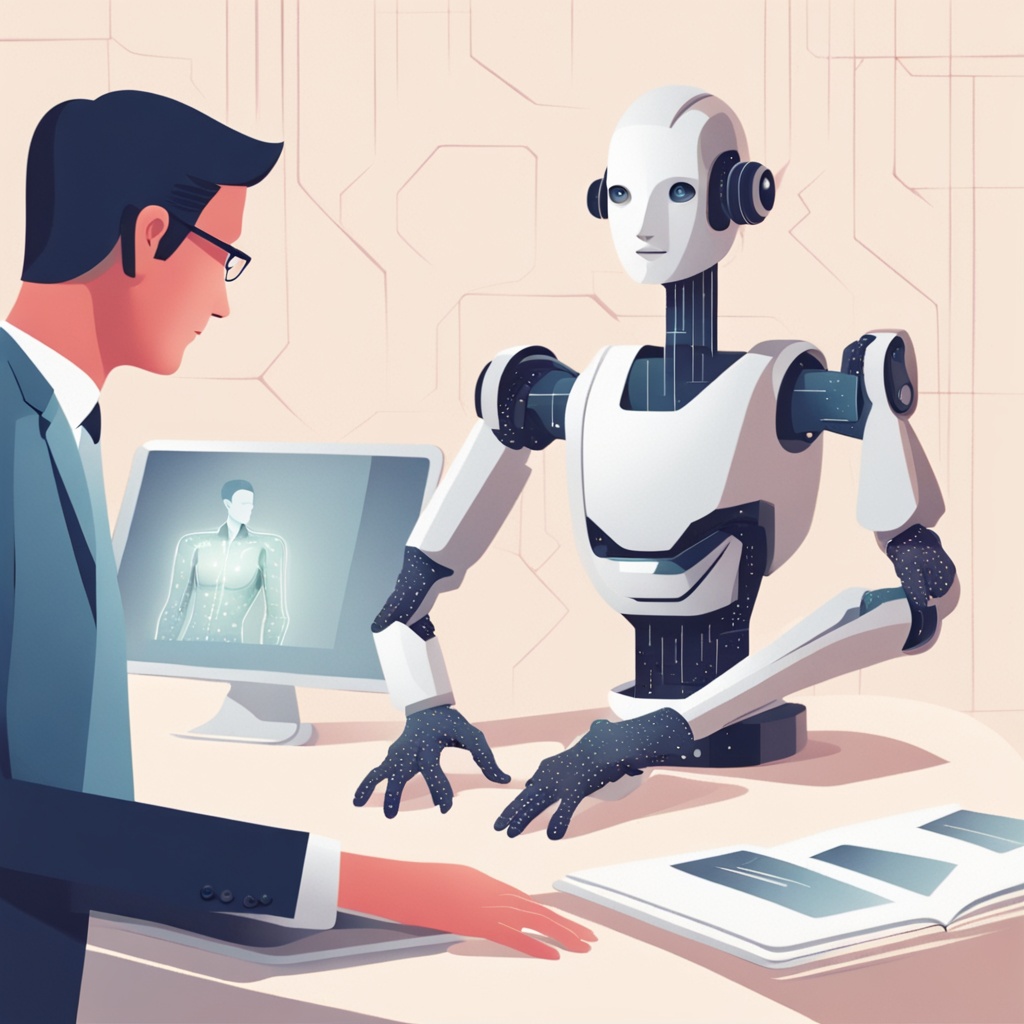
AI: The New User Interface
Terry Jones' observation that "AI is the new UI" captures a profound shift occurring in how humans interact with technology. The traditional paradigm of screens, buttons, and menus is giving way to artificial intelligence as our primary interface with systems and data. This transformation represents more than a technological advancement - it signals a fundamental reimagining of human-computer interaction.
Evidence Across Industries
The evidence supporting this shift is compelling and spans multiple industries. Johnson Controls has implemented generative AI to manage complex industrial equipment, allowing technicians to interact with systems through natural language rather than technical manuals. This approach has significantly reduced training time while improving operational efficiency.
Similarly, S&P Global has integrated AI interfaces across its financial products, replacing traditional terminals with conversational interfaces that allow analysts to query complex datasets through natural dialogue. This innovation has democratized access to sophisticated financial tools while maintaining the depth required by experts.
Perhaps most striking is Jerry Insurance's implementation of generative AI for customer service. By shifting 89% of customer interactions to AI-powered systems, they've achieved both cost savings and improved customer satisfaction. The system handles everything from policy questions to claims processing through natural conversation.
Market Research and User Experience
Market research supports the viability of this transition. Studies show that over 60% of customers now trust AI-generated product recommendations, indicating growing comfort with AI interfaces. Organizations implementing these systems consistently report higher engagement metrics and customer satisfaction scores compared to traditional interfaces.
Additional research from MIT's Media Lab suggests that natural language interfaces reduce cognitive load by 23% compared to traditional graphical interfaces. This improvement in user experience translates to faster task completion and fewer errors.
Action Steps for Business Leaders
For business leaders, this shift demands immediate action through three critical steps:
1. Interface Audit (90-day timeline)
- Evaluate current user touchpoints
- Identify high-friction areas
- Document processes that could benefit from AI transformation
- Assess technical infrastructure readiness
2. Strategic Pilot Implementation (6-month timeline)
- Select one customer-facing process
- Focus on high-volume, routine interactions
- Establish clear success metrics
- Develop training protocols for staff and customers
3. Customer Interaction Redesign
- Recognize the emergence of human-AI collaboration
- Update communication protocols
- Develop guidelines for AI-human handoffs
- Create feedback mechanisms for continuous improvement
Implications of the Transformation
The implications of this transformation extend beyond operational efficiency. Organizations that fail to adapt risk becoming as obsolete as businesses that ignored the internet revolution. The current state of AI represents its minimum capability - it will only become more sophisticated and integral to business operations.
Key Considerations for Business Leaders
- Integration Strategy
- Begin with clearly defined use cases
- Ensure seamless transitions between AI and human interfaces
- Maintain consistency in user experience
- Build scalability into initial implementations
- Risk Management
- Develop clear protocols for AI decision-making
- Establish oversight mechanisms
- Create contingency plans for system failures
- Maintain regulatory compliance
- Change Management
- Prepare staff for evolving roles
- Develop training programs
- Create clear communication channels
- Monitor and address concerns proactively
Balancing Ethics and Efficiency
The transition to AI interfaces requires careful consideration of ethical implications. Organizations must balance efficiency gains against privacy concerns and maintain transparency about AI use. Clear guidelines for data handling and decision-making processes are essential.
Success Through Augmentation
Success in this new paradigm requires understanding that AI interfaces aren't just about automation - they're about augmentation. The goal isn't to replace human interaction but to enhance it, creating more efficient and effective ways to serve customers and operate businesses.
Looking Ahead
Looking ahead, organizations should prepare for continued evolution in AI capabilities. Today's implementations will likely seem basic compared to future developments. Building flexible, adaptable systems now will position organizations for future advancements.
Conclusion
This transformation represents a fundamental shift in how businesses operate and serve customers. Every product and complex process will eventually have an AI interface, whether embedded within the product or accessible through simple means like QR codes. Organizations that fail to adapt risk becoming as outdated as those that missed the digital transformation wave.
The time for action is now. Business leaders must begin implementing these changes while remaining mindful that current AI capabilities represent just the beginning of this transformation. The future belongs to organizations that can effectively blend human and artificial intelligence to create superior user experiences and business outcomes.