Generational Workplace Dynamics: Beyond Stereotypes and Towards Collaboration
In recent years, workplace discussions have been dominated by generational tensions—a narrative that pits younger workers against their more experienced counterparts. The HR Brew article highlights a critical pivot point: moving beyond stereotypical generational labels towards a more nuanced understanding of workplace dynamics.
The central argument is clear: workplace challenges are not about age, but about adapting to changing professional expectations and recognizing individual experiences. This perspective challenges the long-standing narrative of generational conflict and offers a more constructive approach to workforce management.
Research from the Pew Research Center supports this viewpoint. A 2023 study revealed that workplace satisfaction is less about generational demographics and more about organizational culture, professional development opportunities, and meaningful work engagement. The study found that employees across generations share similar core values—flexibility, purpose, and personal growth.
Key Insights from Workplace Research
1. Individual Experience Matters More Than Age
Cyril Boisard's perspective from Workleap is particularly compelling. By focusing on life experiences and milestones rather than generational stereotypes, organizations can develop more personalized and empathetic HR policies. A 27-year-old and a 42-year-old experiencing parenthood, for instance, might have remarkably similar workplace needs.
2. Flexibility as a Universal Expectation
Contrary to popular belief, flexibility is not a generational entitlement but a natural evolution of workplace culture. The COVID-19 pandemic accelerated this shift, demonstrating that remote and hybrid work models can be effective across all age groups.
A study by Stanford University's Remote Work Research Group found that productivity and job satisfaction increased when organizations implemented flexible work arrangements, regardless of employee age. This research challenges the notion that younger generations are uniquely demanding in their workplace expectations.
3. Mentorship Beyond Age Boundaries
The EMERGE program at Armstrong World Industries exemplifies an innovative approach to multigenerational collaboration. By creating platforms for knowledge exchange and mutual learning, organizations can transform generational differences into strengths.
Practical Recommendations for Workplace Integration
- Implement cross-generational mentorship programs
- Focus on individual skills and experiences
- Create flexible work arrangements
- Develop inclusive communication strategies
- Invest in continuous learning opportunities
Psychological Perspective
Generational conflict often stems from psychological biases and fear of change. Dr. Adam Grant, an organizational psychologist at Wharton, suggests that these tensions are less about inherent generational differences and more about adapting to technological and cultural shifts.
Conclusion
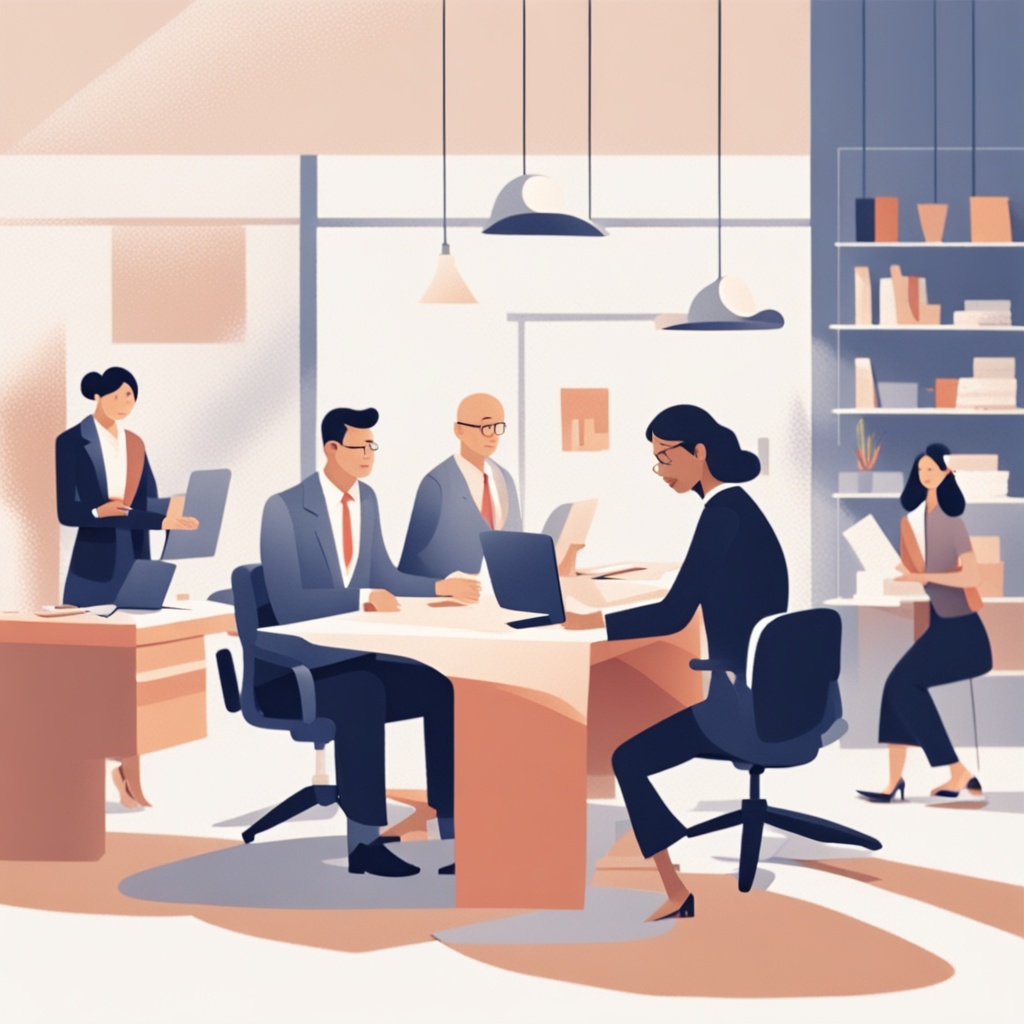
The future of workplace harmony lies not in eliminating generational differences but in understanding and leveraging them. By shifting from a combative to a collaborative mindset, organizations can create environments where experience and fresh perspectives coexist and thrive.
As we move forward, the most successful companies will be those that recognize talent, potential, and individual contributions—transcending arbitrary age-based categorizations.
Final Thought: Workplace generations are not competitors but collaborators in an evolving professional landscape.
To learn more about how HR professionals can bridge the generational gap, visit our dedicated article.