The Disappearing Lunch Break: A Growing Workplace Trend
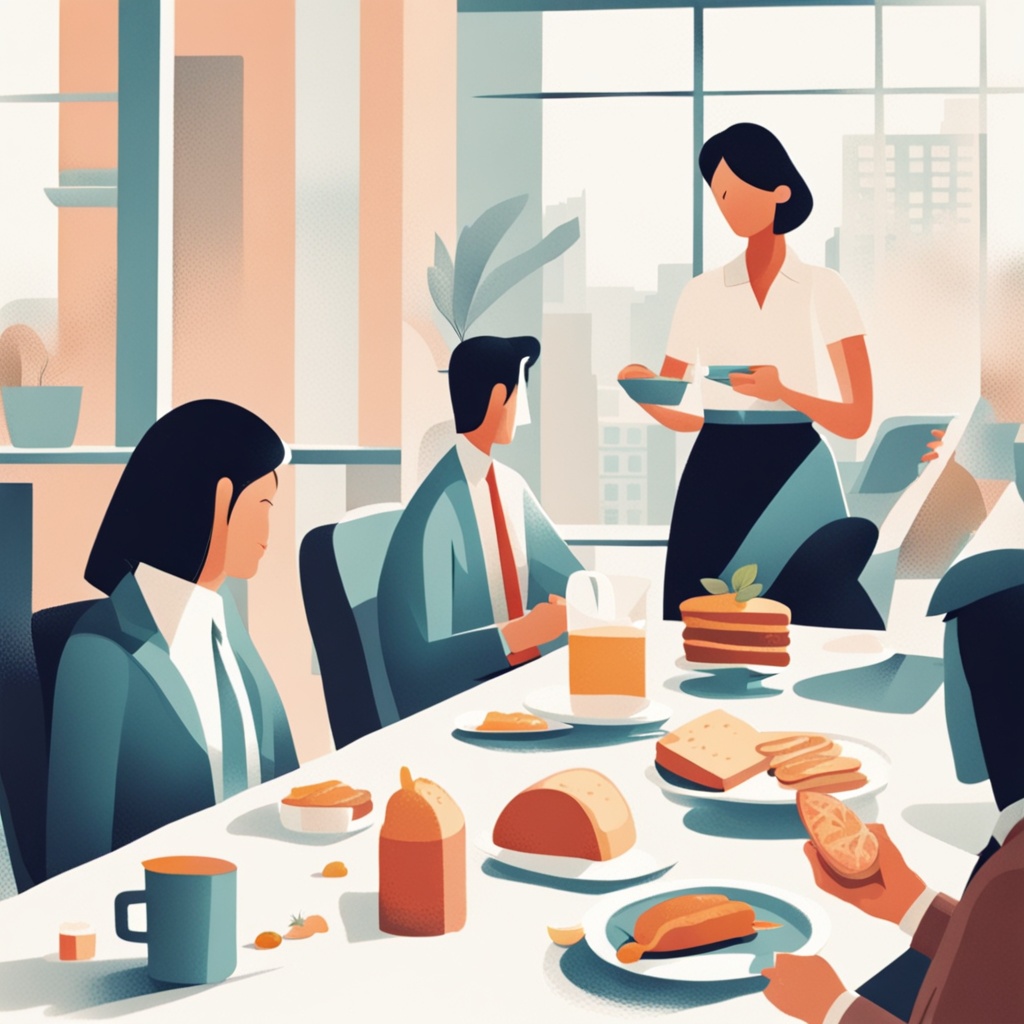
In today's hyper-connected, always-on work culture, something fundamental is changing: the lunch break. What was once a sacred midday ritual has transformed into an optional activity that many employees are choosing to skip entirely. Recent research reveals a startling trend that signals deeper issues within modern workplace dynamics.
The Lunch Break Dilemma: By the Numbers
According to a survey, a staggering 49% of full-time employees are skipping lunch at least once per week. This isn't just about hunger—it's a symptom of broader workplace challenges:
- 47% of Gen-Z employees miss lunch twice weekly
- Only 18% of baby boomers report similar lunch-skipping habits
- The primary reason cited: needing more time to complete work tasks
Understanding the Psychological Impact
The lunch break is more than just a meal—it's a critical psychological reset button for employees. Experts highlight that skipping lunch isn't just about food; it's about mounting workplace stress.
The Stress Connection
A recent survey revealed:
- Nearly two-thirds of professionals report higher stress levels compared to five years ago
- 57% of workers experience negative impacts from work-related stress
- Continuous stress can significantly depress motivation and reduce productivity
Generational Differences in Work Habits
Interestingly, younger generations are most likely to skip lunch, challenging the stereotype that they're less committed to work. This trend suggests a complex relationship between work ethic and workplace expectations.
Why Are Younger Workers Skipping Lunch?
- Increased digital connectivity
- Higher expectations of constant availability
- Cultural shift toward "hustle" mentality
- Desire to prove productivity
The Hidden Costs of Lunch-Skipping
A consultant emphasizes that taking breaks—with or without food—is crucial for:
- Increasing workplace efficiency
- Boosting employee morale
- Maintaining mental and physical health
Potential Consequences of Skipping Lunch
- Reduced cognitive performance
- Increased stress levels
- Lower overall job satisfaction
- Potential long-term health issues
Leadership's Role in Changing the Culture
Experts recommend that leaders actively encourage healthy work practices:
- Normalize taking lunch breaks
- Lead by example
- Create workplace cultures that value employee well-being
- Recognize that constant work doesn't equal higher productivity
Practical Steps for Leaders
- Explicitly communicate that lunch breaks are encouraged
- Schedule meetings to accommodate break times
- Create comfortable break areas
- Promote a culture of balance
Strategies for Employees
If you find yourself consistently skipping lunch, consider:
- Setting calendar reminders for breaks
- Preparing quick, portable meals
- Practicing time management techniques
- Communicating with your manager about workload
The Bottom Line
Lunch breaks aren't a luxury—they're a necessity. As workplace dynamics continue to evolve, organizations must recognize that employee well-being directly impacts productivity, innovation, and overall company success.
Call to Action:- Reflect on your lunch break habits
- Discuss workplace wellness with your team
- Prioritize your mental and physical health
By understanding and addressing the lunch break crisis, we can create healthier, more productive work environments that support employee growth and organizational success.